Capabilities · Redevelopment
We like the hard ones.
Brownfield sites, historic buildings on the edge of demolition, fragmented parcels, layered financing — the projects most developers walk away from are the ones we keep coming back to.
What we do.
Our redevelopment practice is built on twenty years of working through the things that make a site difficult: environmental remediation, historic designation, neighborhood politics, and capital stacks that involve four or five public and private sources at once. We don't see those as obstacles. They're why the deal exists.
Most of our projects start somewhere unromantic — a contaminated parcel, a functionally obsolete building, a tax-foreclosed corner that nobody's touched in a decade. The work is in seeing what it could be, then assembling the financing, entitlements, and design team that gets it there.
We've used Brownfield TIF, federal and state historic tax credits, OPRA, PILOT agreements, MEDC grants, and almost every other tool available in Michigan. We know which ones stack with which, where the application deadlines are, and what the public partners on the other side of the table actually need to get a yes.
Selected projects
Complicated sites we made work
Multifamily
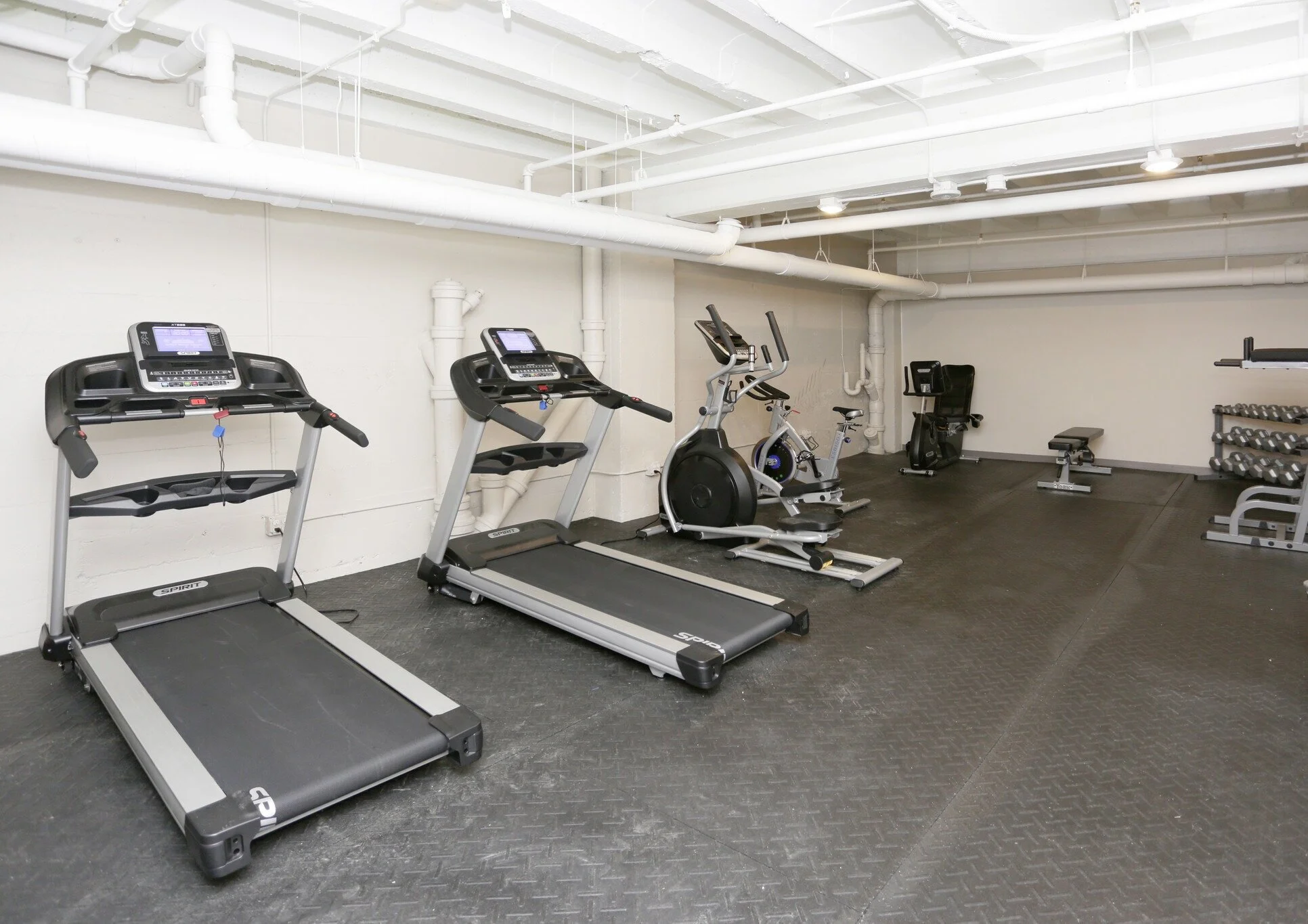
Firestone Lofts
Grand Rapids, MI
21 high-end loft apartments in a historic adaptive reuse of the former Firestone Tire building in downtown Grand Rapids' Arts and Entertainment District.
Commercial
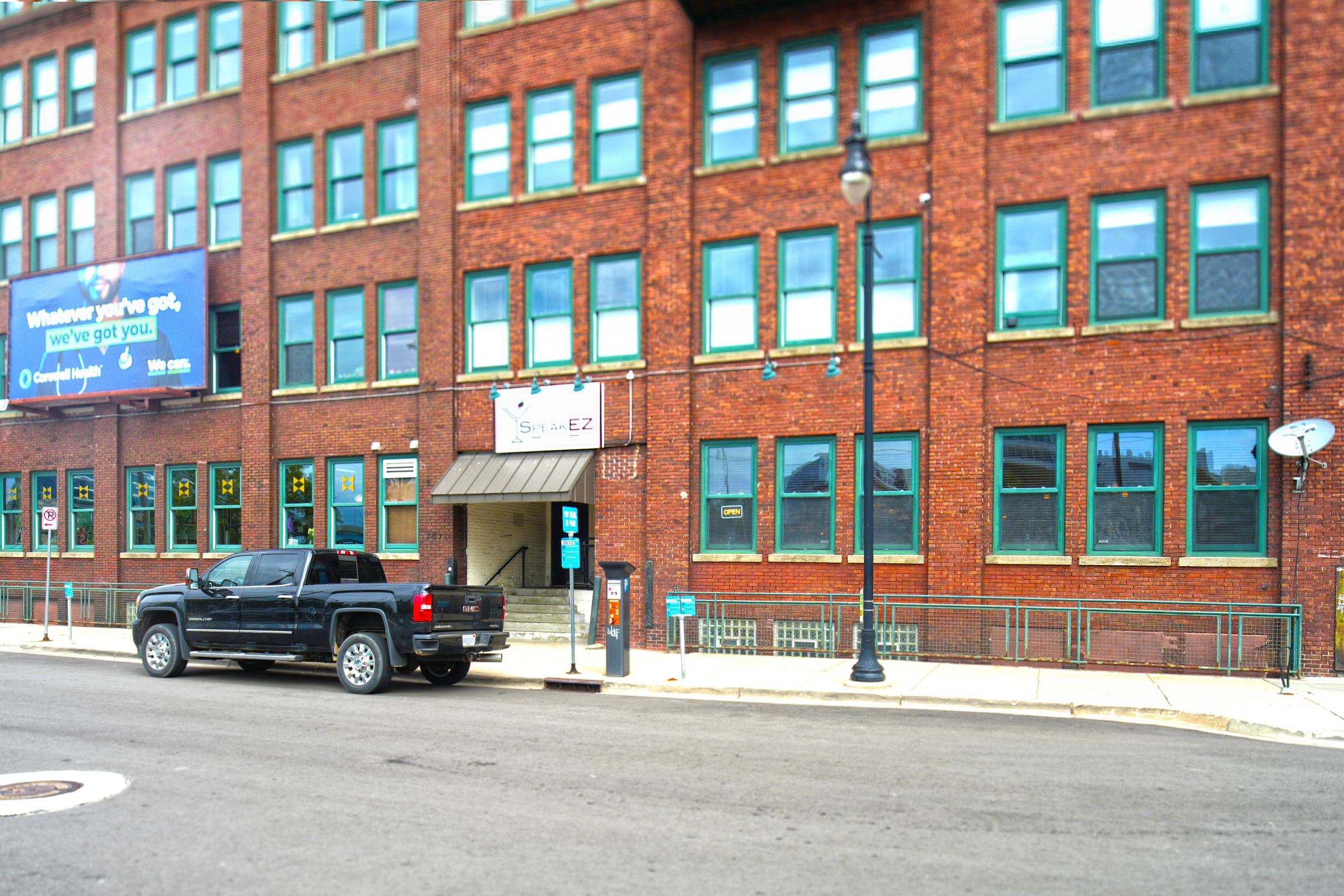
600 Monroe Ave NW
Grand Rapids, MI
Five-story 1880s mixed-use office and residential building in Monroe North — ground-floor home of Speak EZ, a gastropub-style lounge.
Multifamily
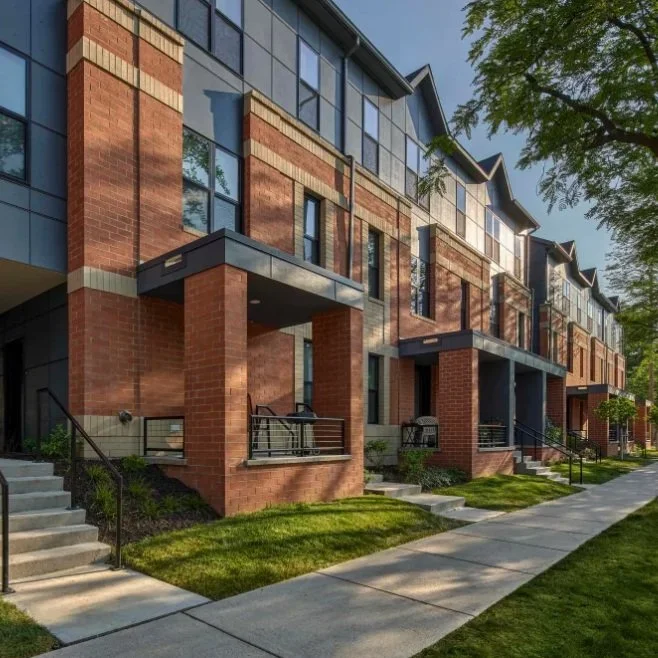
Belknap Place Apartments
Grand Rapids, MI
50-unit LEED Gold mixed-income apartment building on a 0.85-acre Belknap Lookout parcel — delivered with GVSU, PK Companies, and the City of Grand Rapids.
Industrial
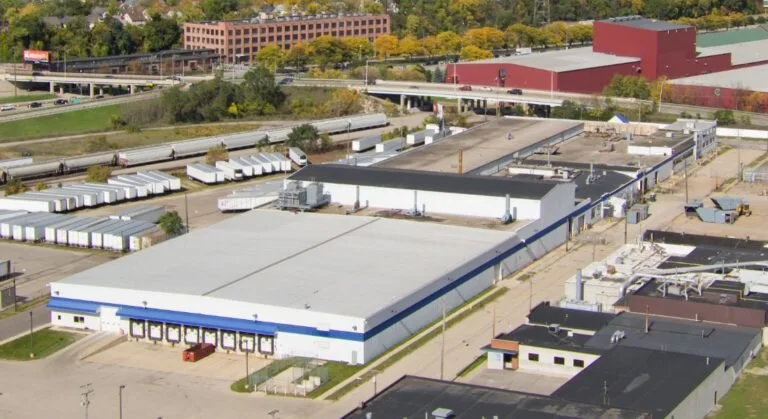
320 Hall
Grand Rapids, MI
190,000-square-foot redevelopment of the former Benteler Automotive plant in Grand Rapids — modernized as industrial space and ultimately leased to Fluresh.
Frequently asked questions
What makes a redevelopment site "complicated"?
Usually some combination of environmental contamination, fragmented ownership, outdated zoning, deferred maintenance on an existing structure, neighborhood opposition history, or a capital stack that needs three or four layers of incentives to pencil. We've worked on sites with all of the above.
How does brownfield TIF actually work?
Brownfield Tax Increment Financing reimburses eligible environmental and site-prep costs from the incremental property tax revenue the project generates after redevelopment. The site has to qualify (contamination, functional obsolescence, or blight), a Brownfield Plan has to be approved by the local Brownfield Redevelopment Authority, and the developer fronts the costs and gets paid back over a defined capture period — typically 15 to 30 years.
What makes an adaptive reuse project pencil?
Usually three things working together: a building structure worth saving (good bones, character, location), a financing structure that captures the value of historic tax credits or other incentives, and a use that fits what the building actually wants to be. We don't force apartments into a building that wants to be offices.
Do you partner with municipalities and economic development groups?
Yes — most of our redevelopment work involves close coordination with city planning, economic development, Brownfield Redevelopment Authorities, and the DDA. We bring the deal together; the public partners help make it possible.
Got a site that nobody else wants?
Brownfield, historic, fragmented, contaminated — tell us about it. The complicated ones are why we exist.